

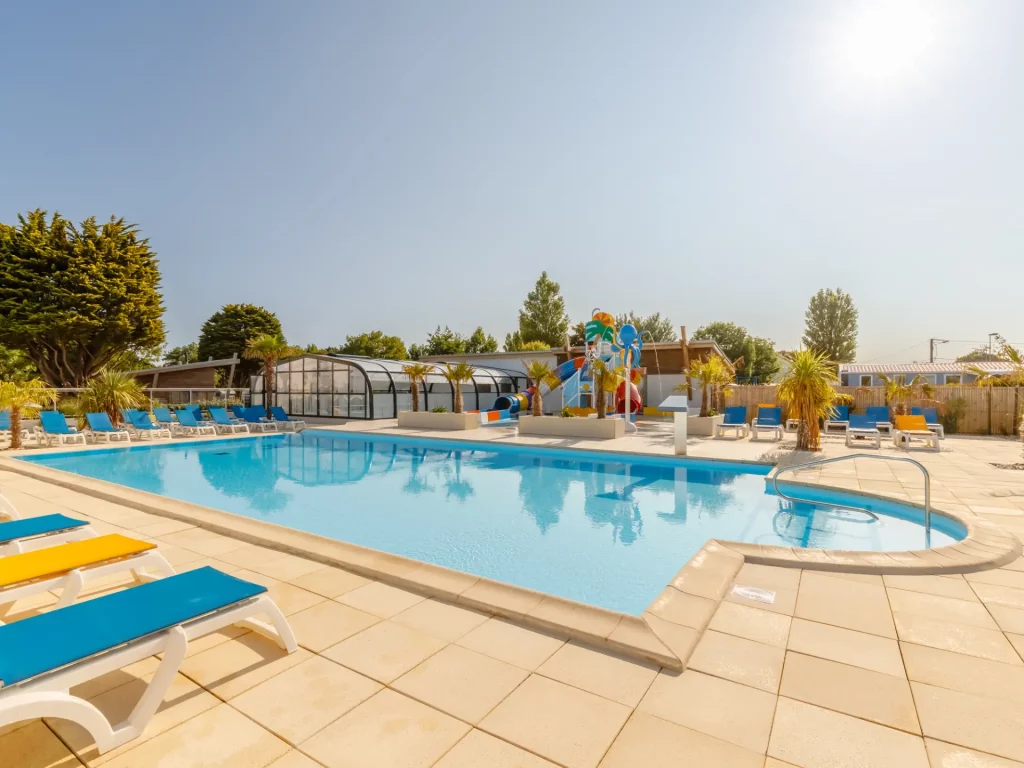

La Plaine sur mer, a village that breathes the fresh sea air
La Plaine sur mer, a village that breathes the fresh sea air!
Located 25km south of Saint-Nazaire and 55km west of Nantes, La Plaine sur mer lies on a peninsula at the entrance to the Loire estuary. The name Plaine sur mer comes from “plana” (flat land), and the highest point in the commune is 38m! Located at the westernmost tip of the Pays de Retz, on the advanced point of a peninsula, it was spotted by ancient Phoenician navigators, who gave it the name “Rass”, meaning “Cape or Chief”. The commune’s population didn’t change much until the 1980s, fluctuating between 1,100 and 1,500 inhabitants, but since then it has soared from 1,700 to 4,000 today! At the time, they were mainly sailors or peasants, with no great wealth, but they lived well because life was gentle and simple in this village. The commune has a large area of ploughed land (very little livestock farming), which ensures good harvests of wheat, rye, barley and oats (of very high quality and recognized as the best in the region). At the time, the only port in the commune was at Le Cormier, enabling trade with Nantes.
The inhabitants of the parish of Notre-Dame de la Plaine were invaded by the Normans around 500 AD, and the former priory at “La Croix de Saint-Étienne” was destroyed at the same time. The remains of the early Christian church have now been discovered. The church of Notre-Dame de la Plaine was built around the year 1000 and was the first religious center formed by the monks of Geneston. The building’s bell tower (a square tower with a spire) served as a “bitter” for navigation. Then came the terrible hurricane of March 28, 1836, which completely demolished the bell tower.
In 1700, La Plaine sur mer became a parish, and at the same time, a small spa was established near the ferruginous spring (located at Port-Meleu sur Préfailles). This beneficial water was used as a remedy for skin diseases, stomach aches, etc.
During the revolutionary uprising of 1789, the plainais spontaneously agreed with the new republican ideas, brought back by courageous captains such as Cabaran, Fourneau, Joubert and many others, aboard their privateer vessels. They joined forces with the Republican Guard to defend Pornic against the invasion of Charette’s army in 1793.
Préfailles has only existed as a commune since 1908, when it was divorced from La Plaine sur mer. Between 1880 and 1910, the influx of tourists was so great that half a dozen hotels were barely able to accommodate them!
From 1939 to 1945, the commune was under German occupation.
Located in the heart of the Saint-Nazaire pocket, in the immediate vicinity of the anti-aircraft batteries at Pointe de Saint-Gildas in Préfailles and the Saint-Nazaire submarine base, it was not liberated until late in the year.
Today, La Plaine sur mer is a small tourist village where life is simple and pleasant. More than 50% of the homes are second homes, which means that the face of the village changes with the seasons… From Easter onwards, the houses open, the campsites fill up and life speeds up! With an average of 2,700 hours of sunshine a year (comparable to the Roussillon region), the peninsula enjoys a particularly favorable microclimate: mild and sunny!
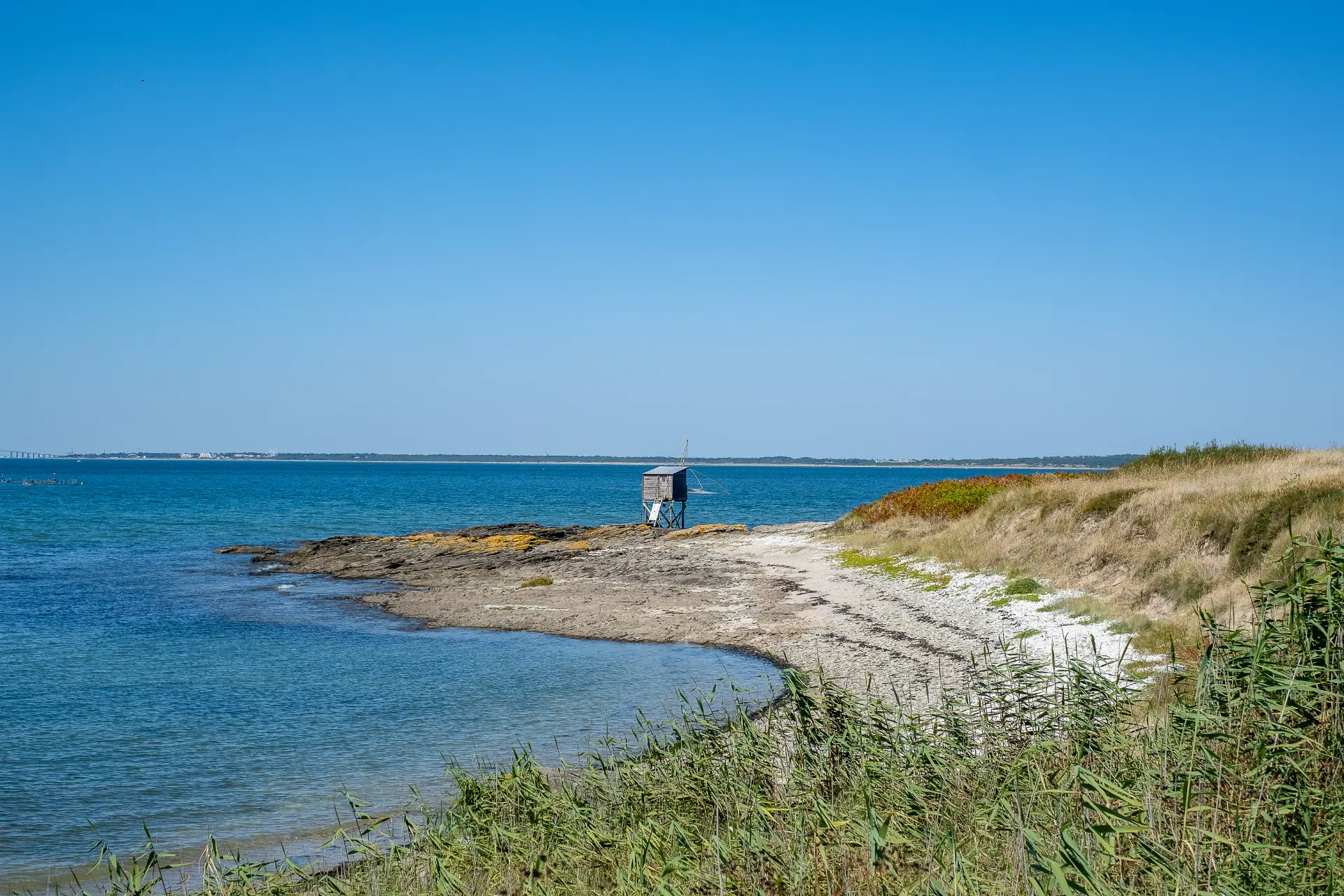
There are some excellent restaurants here, and you can feast on local produce such as the famous Plaine mussels, which are in season from June to September! Recently, Baudet has expanded its production and (since 2016) offers spirulina for sale (a micro-algae of Indian origin, 3.5 billion years old and highly prized by sports enthusiasts and vegetarians in particular, as it is highly concentrated in proteins, minerals and vitamins). The sandy beaches and rocky coves are a fisherman’s paradise, with many shellfish hidden under the seaweed just a stone’s throw from the campsite (there are many guided walks where you can learn to fish on foot or harvest seaweed) !
Here are a few ideas for things to do in and around Pornic:
The customs path (GR®8): This 14 km hiking trail offers breathtaking views of Pornic’s wild coastline and coves.
Pornic harbor: Stroll along the harbor, admire the pleasure and fishing boats, and sample local specialties in one of the many restaurants.
The Pornic market: Stock up on fresh, local produce at the Pornic market, held every Thursday and Sunday from 8am to 1pm.
The island of Noirmoutier: Accessible by car or boat, the island of Noirmoutier is a veritable natural paradise, with its beaches, salt marshes and famous “submersible road”: the passage du Gois.
La Baule: Around 30 minutes from the campsite, La Baule is a seaside resort renowned for its 9km long sandy beach and luxury hotels.
Book a tailor-made camping holiday for a May bank holiday
Campsite rentals for May bank holidays are shorter than for summer vacations. So it’s important to choose the right establishment for this extended weekend. What makes a good campsite? By being able to book a tailor-made stay. Tailor-made holidays mean choosing the right accommodation for your needs. Camping La Guichardière offers a full range of accommodation for the May bank holiday period.
In a tent, motorhome or mobile home, book the stay you want. For two or three nights, opt for a two-seater mobile home or an eight-seater mobile home. Whether you opt for an eco mobile home, a comfort mobile home or a premium mobile home, choose your level of comfort. Pitches cover an area of around 100 m². Camping for a May bridge is a real foretaste of summer vacations.